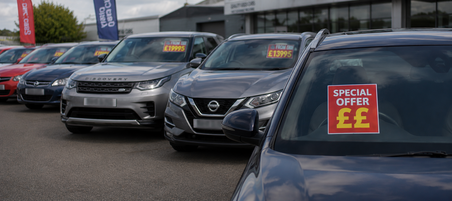
Is 100,000 miles really too many miles for a used car?
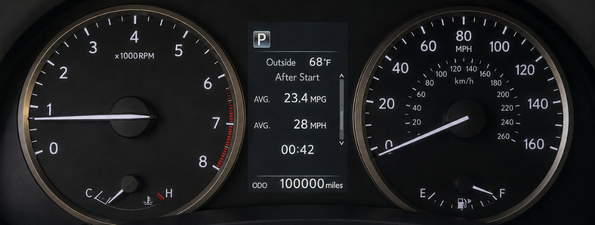
For many used-car buyers, 100,000 miles has long been seen as a warning sign. Once a car reaches six figures on the odometer, concerns about reliability, costly repairs and how much life it has left can quickly creep in.
But that perception may no longer reflect the reality of modern car ownership. Cars are staying on the road for longer, making six-figure mileage an increasingly common sight.
In fact, more than six million cars registered with the DVLA have now covered over 100,000 miles.
So, should buyers still be wary of a car simply because it has passed that milestone? As higher mileage vehicles become a more normal part of the used-car market, the number on the odometer may not tell you as much about a car's condition as you might think.
High mileage doesn't always mean a hard life
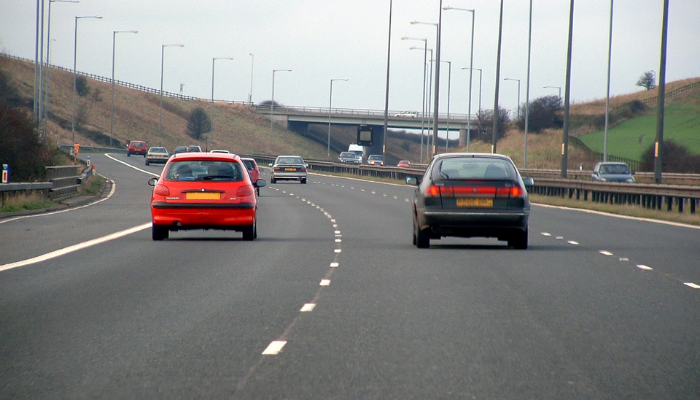
A car that’s covered 100,000 miles cruising on the motorway and being regularly looked after can often be a better buy than a lower-mileage car, that’s spent its life doing short stop-start journeys, with a patchy service history. This is because how the miles were driven often means more than the number of miles driven.
Motorway miles can be more attractive than city driving; despite covering more miles, as long drives put less strain on key components, such as a cars clutch, gearbox and engine. Issues that buyers rightly try to avoid.
The lesson? Don’t judge a used car based on its mileage alone, there are lots of considerations which should come into play.
The paperwork tells the bigger story
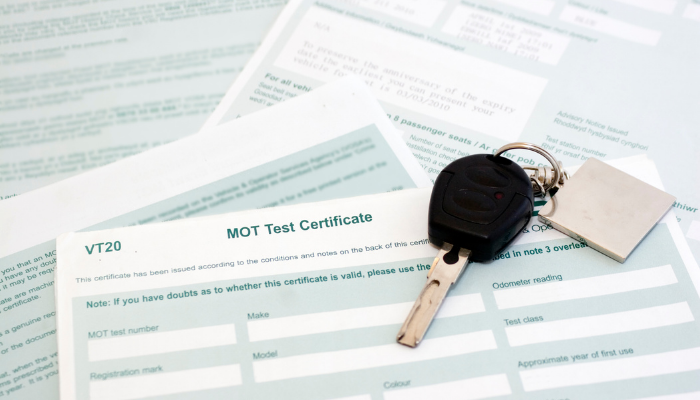
When considering a car with more than 100,000 miles on the clock, its history can be just as important as its current mileage. A well-documented service record, consistent mileage and MOT history can give you a much clearer picture of how the car has been looked after.
Pay particular attention to recurring problems or advisories in previous MOTs, gaps in servicing and unexplained changes in recorded mileage. A high-mileage car with a patchy maintenance record could leave you facing expensive repairs, while one that has been regularly serviced and properly maintained may be a much more reassuring purchase.
That attention shouldn't stop once you've bought the car. Keeping up with servicing, MOTs and routine maintenance becomes increasingly important as the mileage rises. Regular checks can help identify wear or developing problems before they become more serious and costly to fix.
For a car that's already passed 100,000 miles, maintenance isn't something to keep putting off. Looking after it properly can play a big part in keeping it reliable and adding many more miles to the clock.
MotorEasy offers MOT and servicing bundles to help make staying on top of routine car maintenance more affordable. Get a quote here.

What about unexpected repair bills?
Unexpected repair costs are often one of the biggest concerns when buying a car with more than 100,000 miles on the clock.
Even a vehicle that has been well maintained can face sudden mechanical and electrical failures which can be costly. As cars get older and cover more miles, the possibility of facing an expensive repair can understandably become a bigger consideration for owners.
An extended warranty can offer financial protection against unexpected repair bills. MotorEasy offers different levels of warranty cover depending on factors such as the vehicle's age and mileage, with the specific parts and repairs covered depending on the plan and terms.
MotorEasy warranties are available for eligible cars up to 13 years old and with up to 130,000 miles at the point of purchase. For drivers considering a higher-mileage vehicle, having suitable warranty cover in place could provide extra reassurance in the event of a sudden mechanical or electrical failure.
So, would you buy a car with 100,000 miles?
The better question might be: how well have those miles been looked after? With millions of cars already beyond the six-figure mark, 100,000 miles doesn’t automatically mean a cars life is past its prime.
If you’re buying a high-mile car, just look out for its service and MOT history. Consider the type of miles its driven, whether that be motorway miles or city driving, and check its overall condition. When it's yours, keep up with the regular maintenance and think about how you’d protect yourself if the unexpected happened.
Afterall, a neglected 60,000 mile car could be a headache, whereas a well-maintained car with 130,000 miles could have plenty of life left to give.